(347) 625-1246
 hello@brooklynchirocare.com
 112 Greenpoint Ave #1B, Brooklyn, NY 11222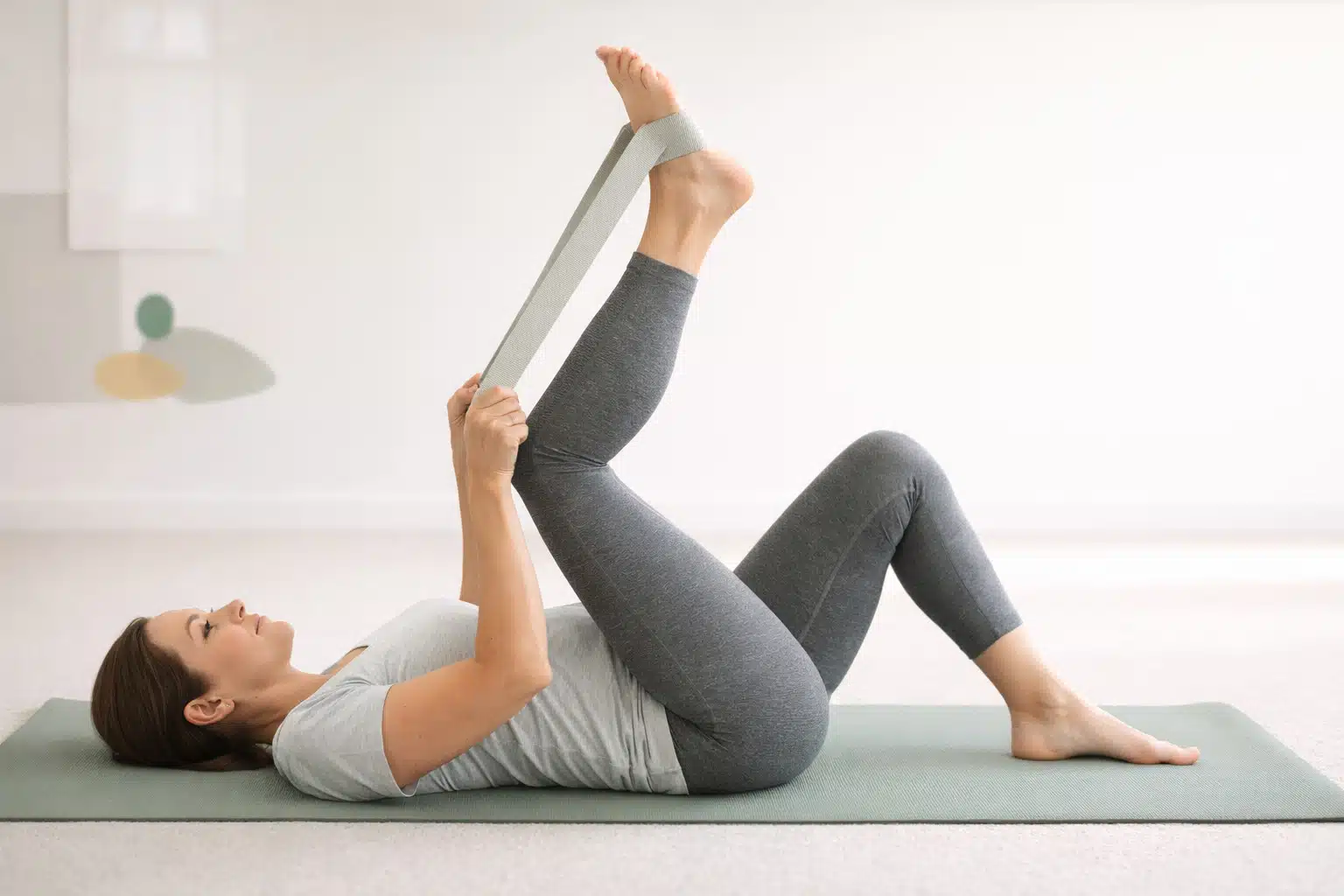
Acute sciatica can stop you in your tracks. That sharp, shooting pain running down your leg makes even simple tasks feel impossible. The good news? Gentle home exercises for acute sciatica can help calm nerve irritation and get you moving again. This guide covers safe stretches and movements backed by research to help you find relief at home.
Not sure it’s actually sciatica before you start the stretches? Take our 90-second sciatica self-check and find out what the pattern most likely is.
Key Takeaways
- Start with gentle movements. Avoid pushing through pain.
- Knee-to-chest stretches help decompress the lower spine.
- Sciatic nerve glides improve mobility without excessive tension.
- Core stabilization exercises provide long-term spinal support.
- Consistency matters more than intensity for lasting results.
What Causes Acute Sciatica Pain?
Sciatica happens when the sciatic nerve gets irritated, inflamed, or compressed. This nerve runs from your lower back through your buttocks and down each leg. Common causes include herniated discs, spinal stenosis, and piriformis syndrome [1]. The result is pain that can range from a dull ache to sharp, burning sensations.
Understanding the cause helps guide your approach. Most cases of acute sciatica respond well to conservative care, including targeted sciatica treatment and home exercises.
Best Home Exercises for Acute Sciatica
Research supports several exercises for managing acute sciatica symptoms. A randomized double-blind trial found that active treatment approaches produced significantly better outcomes, with 55% of patients becoming pain-free compared to just 20% with passive approaches [1].
Knee-to-Chest Stretch
This gentle stretch helps decompress the lumbar spine and relieve pressure on irritated nerves.
- Lie on your back with knees bent and feet flat.
- Pull one knee toward your chest. Hold for 15 to 30 seconds.
- Lower and repeat with the other leg.
- Perform 2 to 3 times daily.
Sciatic Nerve Glides
Nerve glides help mobilize the sciatic nerve without creating excessive tension [2]. Studies show these movements can improve pain scores and nerve function.
- Lie on your back with one leg extended.
- Bend and straighten your knee slowly while pointing your toes.
- Move gently within a pain-free range.
- Repeat 10 to 15 times per leg.
Stretches to Relieve Sciatic Nerve Pressure
Tight muscles can contribute to sciatic nerve irritation. These stretches target common problem areas.
Piriformis Stretch
The piriformis muscle sits deep in the buttock. When tight, it can compress the sciatic nerve.
- Lie on your back with both knees bent.
- Cross your affected leg over the opposite knee.
- Pull the bottom knee toward your chest until you feel a stretch in the buttock.
- Hold for 30 seconds. Repeat 2 to 3 times.
Lower Trunk Rotation
This movement improves spinal mobility and reduces stiffness.
- Lie on your back with knees bent together.
- Gently rotate both knees to one side while keeping shoulders flat.
- Hold for 5 seconds. Return to center and repeat on the other side.
- Perform 10 repetitions each direction.
Building Core Stability for Long-Term Relief
Core stabilization exercises provide superior outcomes compared to general exercise for reducing pain and disability [3]. Strong core muscles support proper spinal alignment and reduce stress on the sciatic nerve.
Simple exercises like bridges, bird dogs, and modified planks build strength without aggravating symptoms. Start with 3 to 4 sessions per week and progress gradually based on how you feel. Learn more about back pain relief options that complement home exercise.
When to Seek Professional Care
Home exercises work well for many people with acute sciatica. However, some situations require professional evaluation.
See a chiropractor or healthcare provider if you experience:
- Symptoms lasting longer than 2 weeks despite home care
- Progressive weakness in your leg or foot
- Numbness in the groin or saddle area
- Loss of bladder or bowel control
- Severe pain that prevents sleep or daily activities
Chiropractic care offers effective treatment options. Research shows patients receiving chiropractic spinal manipulation have better outcomes and lower risk of complications compared to other approaches [4].
FAQs
How long does acute sciatica take to heal?
Most cases of acute sciatica improve within 4 to 6 weeks with proper care. Consistent home exercises often speed recovery. Some people feel better within days, while others need several weeks.
Should I rest or stay active with sciatica?
Gentle movement is better than complete rest. Prolonged bed rest can actually delay healing. Focus on low-impact activities and targeted stretches within your comfort zone.
Can stretching make sciatica worse?
It can if done incorrectly or too aggressively. Always move within a pain-free range. Stop any exercise that increases radiating leg pain. Start gently and progress slowly.
What sleeping position helps sciatica?
Sleeping on your side with a pillow between your knees helps maintain spinal alignment. Some people find relief sleeping on their back with a pillow under their knees.
Are home exercises for acute sciatica safe for everyone?
Most people can safely perform these exercises. However, those with severe symptoms, recent injury, or other health conditions should consult a healthcare provider first.
Take Control of Your Sciatica Pain
Home exercises for acute sciatica offer a safe, effective way to manage symptoms and support healing. Start with gentle movements, stay consistent, and listen to your body. Many people find significant relief within a few weeks of regular practice.
If your symptoms persist or worsen, professional care can help identify the underlying cause and create a personalized treatment plan.
Ready to find relief? Schedule an appointment online or visit us at Brooklyn Chiropractic Care, 112 Greenpoint Ave. #1B, Brooklyn, NY 11222. Experience relief, Embrace Wellness!
References
- Santilli V et al. – Chiropractic manipulation in the treatment of acute back pain and sciatica with disc protrusion: a randomized double-blind clinical trial
- PMC – Neurodynamic interventions for sciatica management
- PMC – Core stabilization exercises for low back pain and sciatica
- PLOS ONE – Association between chiropractic spinal manipulation for sciatica and outcomes
For a full overview of what chiropractic treatment for sciatica looks like at our Greenpoint clinic, including session timelines and what Dr. Patel assesses on your first visit, see our guide to sciatica treatment in Brooklyn.
Not Sure What's Causing Your Pain?
Take our 60-second pain assessment and get a personalized care recommendation from Dr. Patel.
Take the Assessment