 (347) 625-1246
 hello@brooklynchirocare.com
 112 Greenpoint Ave. STE 1B, Brooklyn, NY 11222
Assisted Stretching in Brooklyn
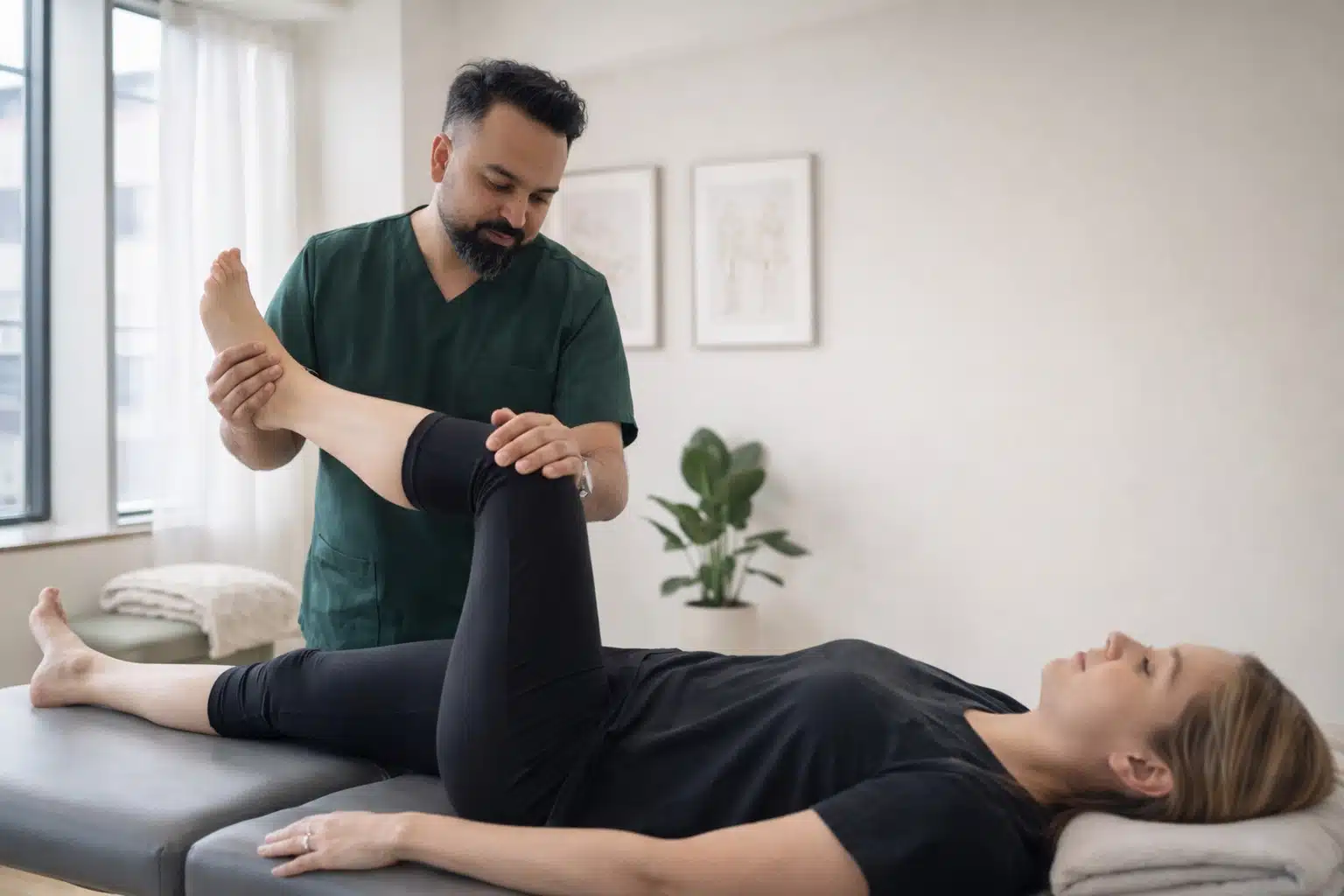
What Is Assisted Stretching?
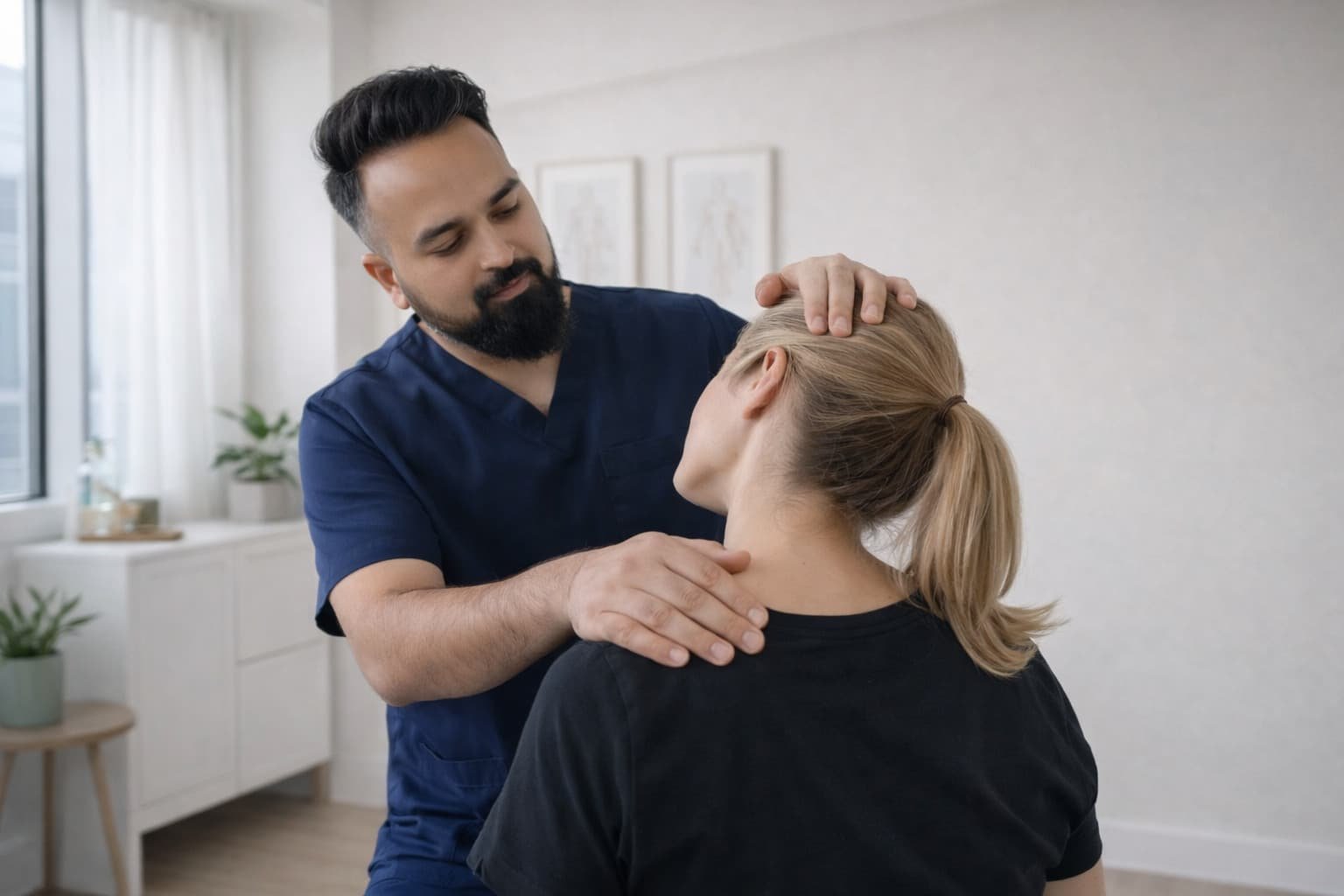
Assisted stretching is a hands-on technique where Dr. Patel guides your body through targeted stretches you cannot effectively perform alone. Unlike passive stretching at home, assisted stretching uses precise angles, controlled pressure, and proper positioning to achieve deeper muscle lengthening and improved joint mobility.
This service works hand-in-hand with chiropractic adjustments. While spinal manipulation restores proper joint alignment, assisted stretching addresses the soft tissue component—releasing tight muscles that may be pulling your spine back out of alignment. Together, these approaches create longer-lasting results.
Many patients find that adding assisted stretching to their treatment plan accelerates recovery from conditions like back pain and sciatica, where muscle tension contributes significantly to ongoing discomfort.
Schedule an Appointment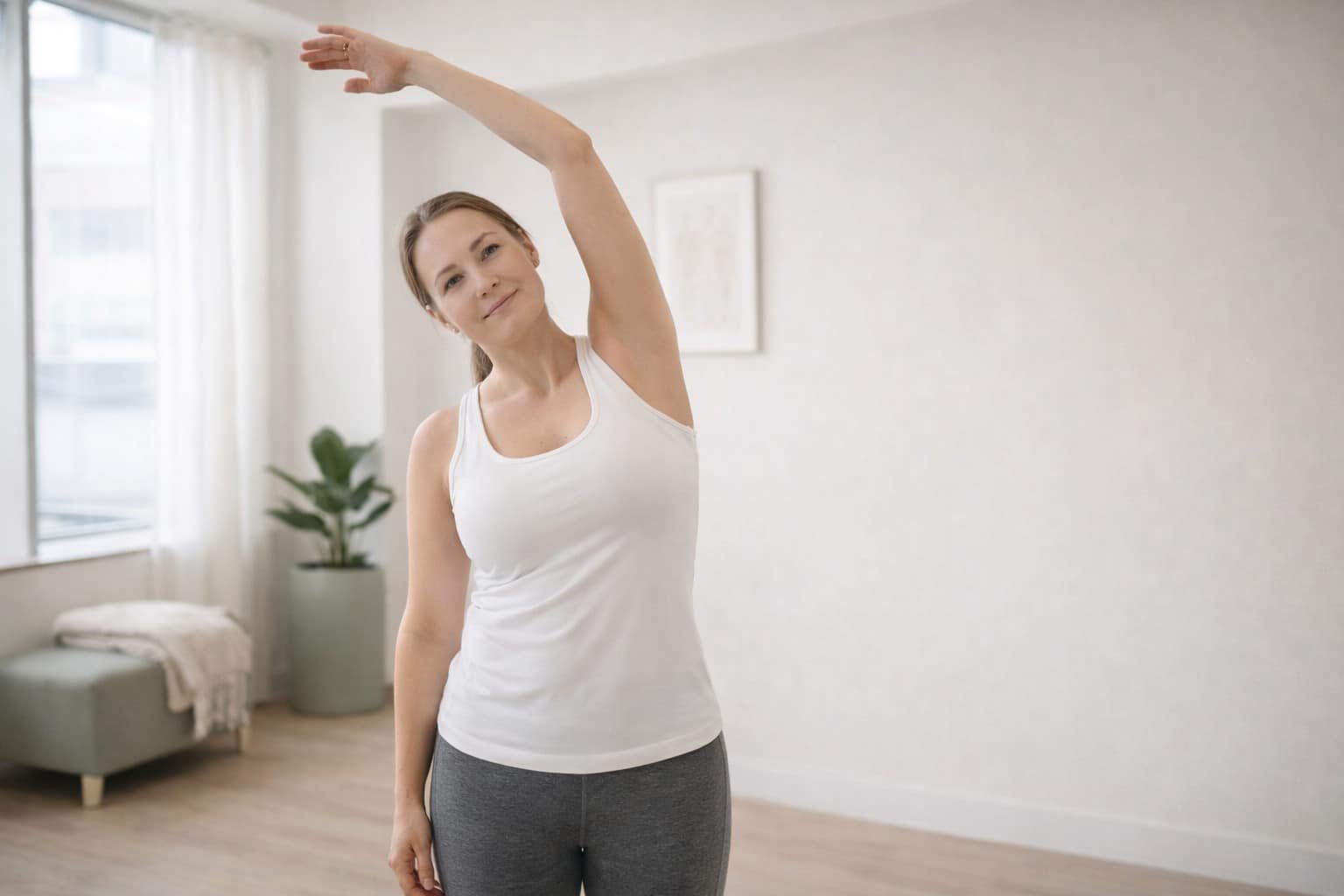
Why Stretching Matters for Spinal Health
Tight muscles create a chain reaction throughout your body that affects posture, movement, and pain levels:
Muscle Imbalances
When certain muscles become chronically tight—like hip flexors from sitting—they pull on your pelvis and spine, creating misalignments that contribute to neck pain and lower back discomfort.
Reduced Range of Motion
Tight hamstrings, hip flexors, and back muscles limit how well your joints can move. This restriction forces other areas to compensate, often leading to pain in unexpected places.
Adjustment Retention
Without addressing muscle tension, chiropractic adjustments may not hold as long. Tight muscles act like rubber bands, gradually pulling joints back toward their dysfunctional positions.
Decreased Circulation
Chronic muscle tension restricts blood flow to tissues, slowing healing and contributing to stiffness. Proper stretching improves circulation, delivering nutrients needed for recovery.
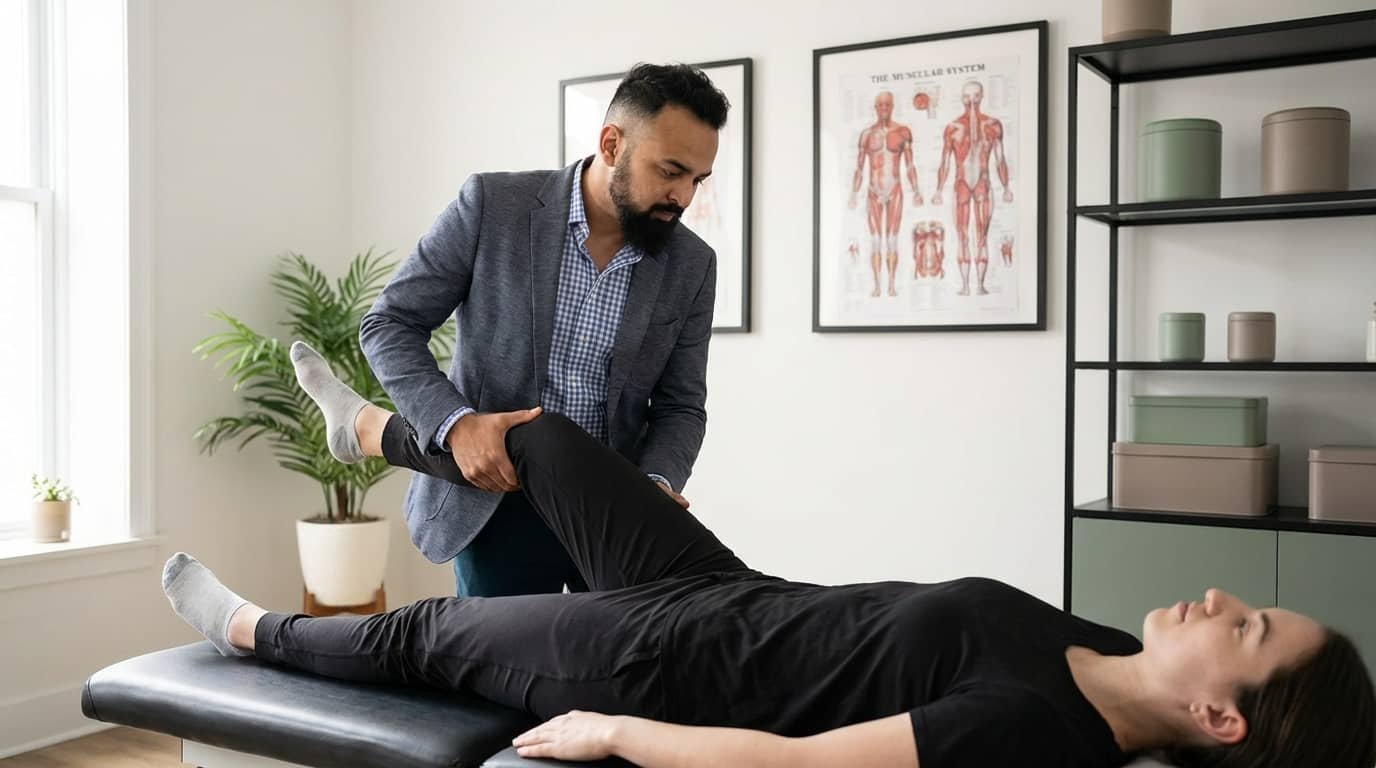
Signs You Could Benefit from Assisted Stretching
Many people live with muscle tightness so long they forget what normal flexibility feels like. These signs suggest assisted stretching could help:
- Stiffness when getting out of bed or after sitting
- Difficulty touching your toes or looking over your shoulder
- Chiropractic adjustments that don’t seem to hold
- Recurring muscle knots or tension headaches
- Limited athletic performance or frequent minor strains
- Desk job with prolonged sitting throughout the day
- General feeling of being “locked up” or restricted
If you’re already receiving sports chiropractic care or treatment for a specific condition, adding assisted stretching often enhances your results.
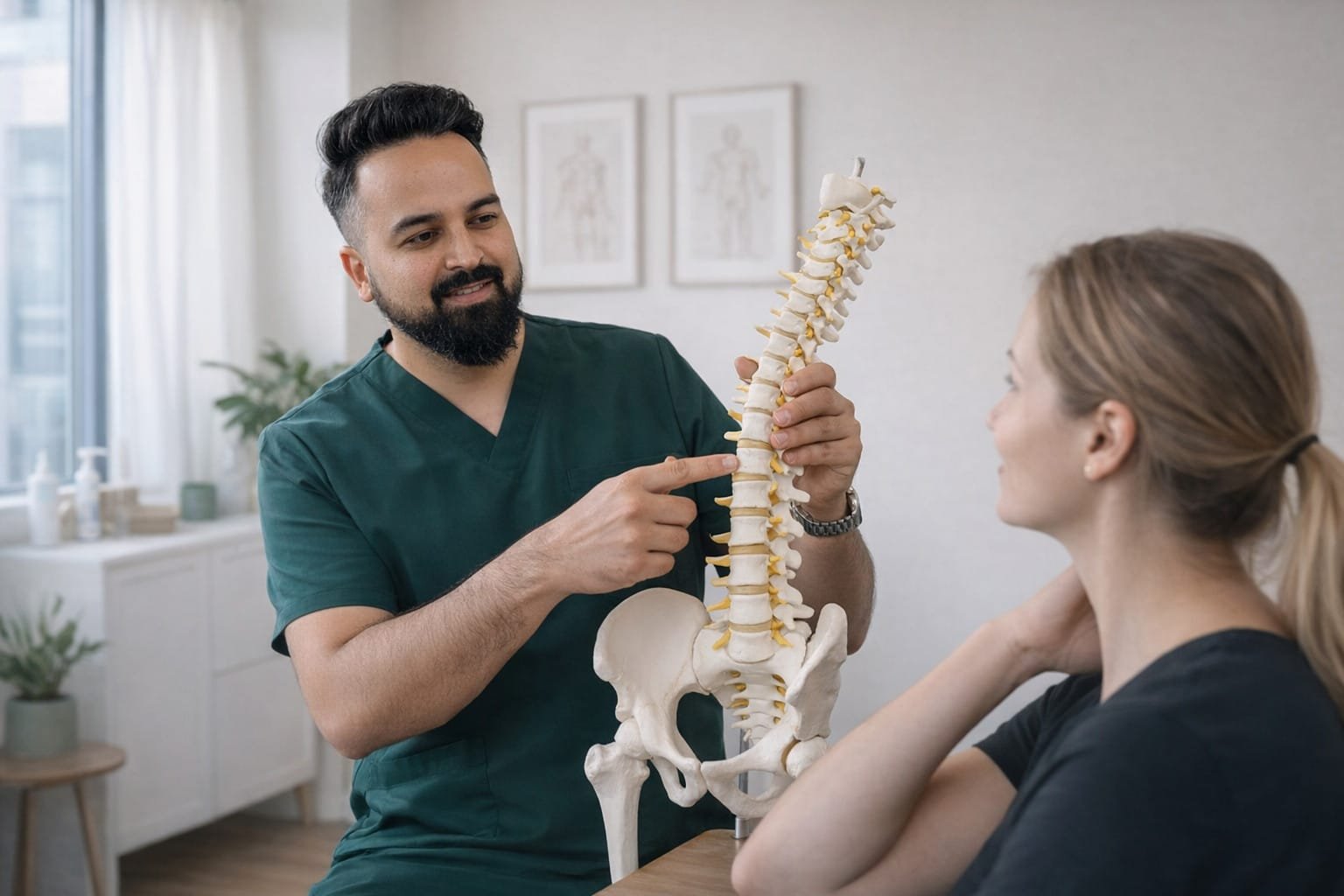
The Science Behind Assisted Stretching
Research supports the effectiveness of assisted stretching for improving flexibility and reducing muscle tension. A study in the Journal of Athletic Training found that proprioceptive neuromuscular facilitation (PNF) stretching—a technique used in assisted stretching—produces significantly greater flexibility gains than static stretching alone.
For patients with low back pain, combining manual therapy with stretching has shown superior outcomes compared to either approach in isolation. This aligns with the comprehensive care model at Brooklyn Chiropractic Care, where we address both joint and soft tissue components of musculoskeletal conditions.
Assisted stretching also activates the parasympathetic nervous system, promoting relaxation and reducing the stress response that often accompanies chronic pain conditions.
What to Expect During Your Session
Assisted stretching sessions at Brooklyn Chiropractic Care are integrated into your regular chiropractic visits rather than scheduled separately. This approach ensures your stretching protocol complements your adjustments for maximum benefit.
During your session, you’ll remain fully clothed in comfortable attire. Dr. Patel will guide each stretch, communicating throughout to ensure you stay within a comfortable range. You may feel a gentle pulling sensation, but stretching should never be painful.
Most patients notice improved flexibility immediately after their first session. However, lasting changes in muscle length develop over multiple sessions as your tissues adapt. Dr. Patel will recommend an appropriate frequency based on your specific needs and how your body responds.
Book Your First VisitMaintaining Flexibility Between Visits
To get the most from your assisted stretching sessions, incorporate these habits into your daily routine:
- Morning movement: Spend 5-10 minutes doing gentle stretches after waking to counteract overnight stiffness and prepare your body for the day.
- Desk breaks: Set a reminder to stand and stretch every 45-60 minutes if you work at a desk. Focus on hip flexors, chest, and neck—areas that tighten from prolonged sitting.
- Post-exercise stretching: Always stretch after physical activity when muscles are warm. This is the ideal time to work on improving flexibility.
- Consistency over intensity: Brief daily stretching produces better results than occasional lengthy sessions. Aim for regularity rather than pushing too hard.
- Stay hydrated: Well-hydrated muscles are more pliable and responsive to stretching. Drink water throughout the day to support tissue health.
Flexibility Assessment
Dr. Patel evaluates your current range of motion, identifies tight muscle groups, and determines which areas need the most attention based on your symptoms and lifestyle.
Targeted Stretching Protocol
Using precise positioning and controlled movements, Dr. Patel guides you through stretches that target your specific problem areas—achieving depths you cannot reach on your own.
Integration with Adjustments
Assisted stretching is typically performed before or after your chiropractic adjustment, depending on your needs. Pre-adjustment stretching relaxes muscles for easier correction; post-adjustment stretching helps maintain alignment.
Home Exercise Guidance
You’ll receive personalized stretches to practice between visits, helping maintain flexibility gains and supporting your overall treatment plan for lasting improvement.

Who Benefits Most from Assisted Stretching
While almost everyone can benefit from improved flexibility, certain patients see particularly strong results when adding assisted stretching to their care plan.
Patients recovering from disc herniations often have protective muscle guarding that limits mobility. Gentle assisted stretching helps release this tension safely, supporting the healing process. Similarly, those with spinal stenosis frequently benefit from stretches that open up space in the spine.
Athletes and active individuals find that assisted stretching improves performance and reduces injury risk. Office workers dealing with postural strain from desk work often experience significant relief when stretching is incorporated into their treatment. And patients whose adjustments haven’t been holding as expected frequently see improved retention once muscle tension is addressed.
Is Assisted Stretching Right for You?
• Chiropractic adjustments that don’t hold as long as expected
• Chronic muscle tightness despite home stretching
• Desk job or sedentary lifestyle
• Athletic training or fitness goals
• Recovery from injury or surgery
• Pregnancy-related muscle tension
• General stiffness affecting daily activities
When you stretch alone, your own muscle tension limits how far you can go. With assisted stretching, Dr. Patel can take your muscles beyond their usual stopping point using proper technique and positioning. This achieves deeper stretches that create real changes in muscle length over time.
You should feel a comfortable stretch sensation but never sharp pain. Dr. Patel communicates throughout each stretch and adjusts intensity based on your feedback. Some mild muscle soreness the following day is normal, similar to what you might feel after a good workout.
Most patients benefit from assisted stretching as part of their regular chiropractic visits, typically 1-2 times per week initially. As your flexibility improves, frequency may decrease. Dr. Patel will recommend a schedule based on your specific needs and goals.
No, they work together. Chiropractic adjustments address joint alignment and nervous system function, while assisted stretching targets muscle tension. Most patients get the best results when both are part of their care plan, as tight muscles can pull joints back out of alignment.
Wear comfortable, loose-fitting clothing that allows movement, athletic wear or stretchy casual clothes work well. Avoid restrictive jeans or tight skirts. You'll remain fully clothed throughout the session.
Ready to Improve Your Flexibility?
Move better, feel better, and get more from your chiropractic care. Schedule your visit today.