 (347) 625-1246
 hello@brooklynchirocare.com
 112 Greenpoint Ave. STE 1B, Brooklyn, NY 11222
Disc Herniation

Disc Herniation: Symptoms, Diagnosis and Effective Treatment Options
Intervertebral disc herniations are a common cause of back pain, neck pain and sciatica. If you’re suffering from a herniated disc, you’re not alone. This comprehensive guide explains what disc herniations are, how to recognize the symptoms, and the most effective non-surgical treatment approaches.
Anatomy of Spinal Discs
The spine is composed of a series of bones called vertebrae that are cushioned by intervertebral discs. These discs have a soft gel-like center (nucleus pulposus) encased in a tough outer layer (annulus fibrosus). Discs act as shock absorbers and allow the spine to bend and twist.

What is a Herniated Disc?
A disc herniation, also known as a slipped or ruptured disc, occurs when the soft inner material of the disc pushes out through a tear in the outer layer. This can happen due to age-related wear and tear, injury, improper lifting, or repetitive straining motions.
Herniated discs most commonly occur in the lower back (lumbar spine) or neck (cervical spine). Depending on the location, a herniated disc can put pressure on spinal nerves, leading to pain, numbness, tingling or weakness in the arms or legs.
Signs and Symptoms
Symptoms of a herniated disc vary based on the location and severity of the herniation. Common signs include:
- Arm or leg pain: Pressure on spinal nerve roots can cause radiating pain down the arms (cervical herniation) or legs (lumbar herniation). Pain is often described as sharp or burning.
- Numbness or tingling: Herniated discs can cause numbness, tingling, or a “pins and needles” sensation in the arms, hands, legs or feet.
- Weakness: Nerve compression can lead to muscle weakness in the affected arm or leg. This may cause difficulty lifting, gripping, or walking.
- Localized pain: Pain may be felt at the site of the herniation in the neck or lower back, especially when coughing, sneezing or moving into certain positions.
In rare cases, a lumbar disc herniation can compress nerves that control the bladder and bowels, causing incontinence. This is a medical emergency requiring immediate care.

Risk Factors
Certain factors can increase the likelihood of developing a herniated disc:
- Age: Discs naturally lose water content and become less flexible with age, increasing herniation risk.
- Weight: Excess body weight puts additional stress on the discs in the lower back.
- Occupation: Physically demanding jobs that require repetitive lifting, pushing, pulling, bending or twisting can increase risk.
- Genetics: Some individuals may inherit a predisposition to developing disc problems.
- Smoking: Nicotine reduces blood flow to discs, causing them to deteriorate faster.
Diagnosis
If you suspect you may have a herniated disc, see a spine specialist like a chiropractor for a thorough evaluation. During your exam, your provider will:
- Review your medical history and symptoms
- Perform physical and neurological exams to check reflexes, sensation and muscle strength
- Assess your posture, range of motion and presence of muscle spasms
- Order imaging tests such as X-ray, MRI, or CT scan, if indicated, to visualize the disc and rule out other conditions
Getting an accurate diagnosis is key to determining the most appropriate treatment approach. A recent study found that early MRI scans for patients with lumbar disc herniations led to faster relief from pain and disability compared to usual care without imaging (Kennedy et al., 2022).

Treatment Options
The good news is that the majority of herniated discs can be effectively treated without surgery. A chiropractor can develop a personalized treatment plan using evidence-based, non-invasive therapies such as:
Spinal Manipulation
Gentle spinal adjustments can help realign joints, reduce nerve irritation and restore range of motion. A 2023 clinical trial found that spinal manipulation therapy resulted in greater short-term improvement in pain and function compared to usual medical care for patients with acute lumbar disc herniation (Anderson et al., 2023).
Non-Surgical Spinal Decompression
Mechanical traction uses a specialized table to gently stretch the spine, creating negative pressure inside the discs. This can help draw the herniated portion back into place and promote healing. Studies show that non-surgical spinal decompression can significantly reduce pain and disability in patients with lumbar disc herniation, with some cases demonstrating complete resolution (Ma et al., 2021) and (Jiang et al., 2022).

Therapeutic Exercises
Targeted stretches and exercises can help reduce pain, improve flexibility, and strengthen muscles that support the spine. McKenzie extension exercises have been shown to be particularly effective for centralizing pain in patients with lumbar disc herniations (Lam et al., 2018). A chiropractor or physical therapist can teach you proper form and create a customized exercise program.
Lifestyle Modifications
In addition to in-office treatments, your chiropractor will provide guidance on lifestyle adjustments to reduce pain and prevent future flare-ups. This may include advice on proper posture, ergonomics, lifting techniques, nutrition, and stress management. Implementing these changes can help speed recovery and lower your risk of recurrence.
Most patients start to see improvement in their symptoms within 2-4 weeks of starting treatment. A recent case series of 63 patients with cervical disc herniations found that 98% had good to excellent improvement within 6-8 weeks of chiropractic care (Patel et al., 2020). With continued care and self-management, up to 90% of patients report long-term relief.
Schedule an Appointment
Consultation
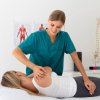
At Brooklyn Chiropractic Care, we discuss your concerns, symptoms, and goals to understand your needs.
Assessment
We evaluate your condition to identify the root cause of the problem.

Treatment
We create a personalized plan to address your pain and improve mobility.

Follow-Up
We provide guidance to maintain results and prevent future issues.

ready to start your journey to recovery?
Contact us today to schedule your initial disc herniation treatment consultation and take the first step towards a pain-free life.
When to Consider Surgery
Surgery is typically reserved for severe cases that don’t respond to conservative care. Your doctor may recommend surgery if:
- Pain, numbness or weakness is severe and disabling
- Neurological symptoms are worsening over time
- Bowel or bladder function is impaired
- Conservative treatments fail to provide adequate relief after 8-12 weeks
Surgical options may include discectomy (removal of the herniated portion), laminectomy (removal of part of the vertebral bone), or artificial disc replacement. However, research suggests that while surgery may provide faster relief in the short term, long-term outcomes are comparable between surgical and non-surgical patients (Gugliotta et al., 2016).
Preventing Disc Herniations
While some risk factors like age and genetics are beyond your control, there are steps you can take to reduce your risk of a herniated disc:
- Maintain a healthy weight to minimize stress on your spine
- Exercise regularly to keep your back and core muscles strong and flexible
- Practice good posture when sitting, standing and lifting
- Use proper body mechanics when lifting heavy objects
- Take frequent breaks if you sit for long periods or have a physically demanding job
- Quit smoking and stay well hydrated to keep your discs healthy
Remember, early intervention is key when it comes to effectively treating herniated discs and preventing long-term pain and disability. If you’re experiencing neck pain, back pain, sciatica, or any other symptoms of a possible disc herniation, don’t ignore it. Schedule a consultation with an experienced Brooklyn chiropractor to get on the path to drug-free, non-surgical relief.
About the Author
Dr. Priyank Patel is a leading chiropractor in Brooklyn, NY specializing in the conservative treatment of herniated discs and other spinal conditions. He utilizes the latest evidence-based techniques, including chiropractic adjustments, spinal decompression, therapeutic exercise, and lifestyle counseling to help patients eliminate pain, restore function, and enhance their quality of life. To learn more or schedule an appointment, visit www.brooklynchiropracticcare.com or call (347) 625-1246.