 (347) 625-1246
 hello@brooklynchirocare.com
 112 Greenpoint Ave #1B, Brooklyn, NY 11222
Massage Therapy
What Is Therapeutic Massage?
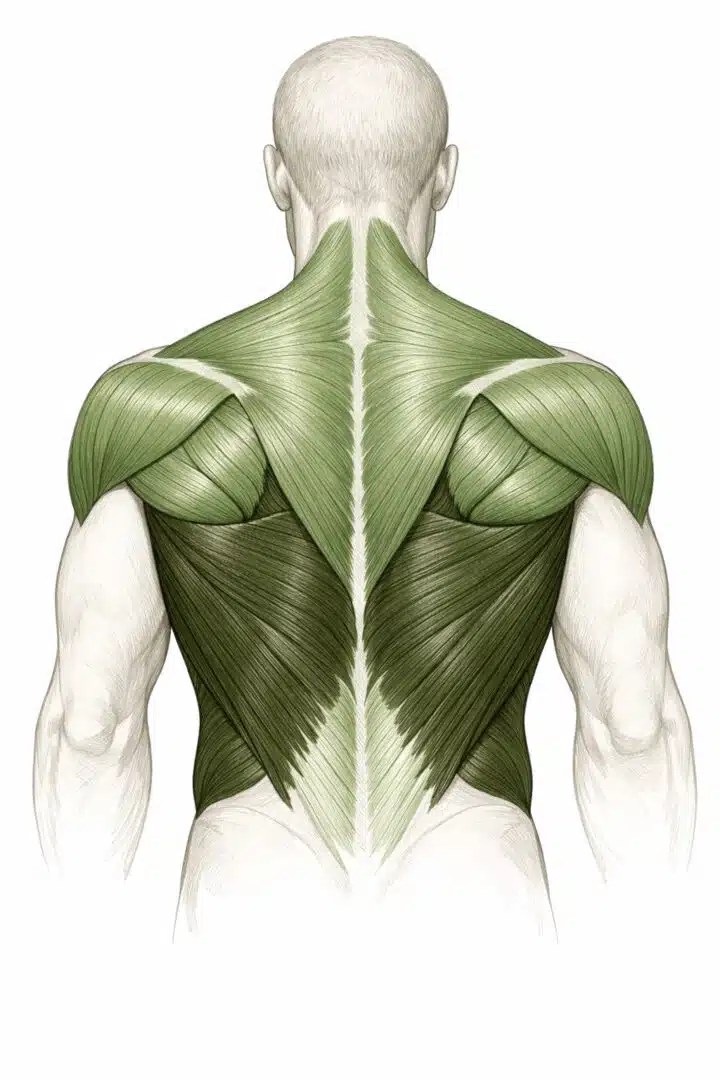
Therapeutic massage in Brooklyn isn’t the same as what you’d get at a spa. It’s targeted, clinical work designed to address specific problems in your muscles and soft tissues. Our licensed massage therapist uses hands-on techniques to manipulate muscles, tendons, ligaments, and fascia to reduce pain, improve circulation, and restore normal movement patterns.
If you’ve been dealing with chronic muscle tightness, recovering from an injury, or just feeling like your body is working against you, therapeutic massage gets to the source of the problem. It’s not about relaxation for its own sake. It’s about helping your body function better.
At Brooklyn Chiropractic Care, we integrate massage therapy with chiropractic care because the two work hand in hand. Massage loosens tight muscles so adjustments can be more effective. Adjustments restore proper joint alignment so your muscles don’t have to compensate. Together, they give you results that last.
Schedule an Appointment
Types of Massage We Offer
Our licensed massage therapist tailors each 60-minute session to your specific needs using these evidence-based techniques:
Deep Tissue Massage
Targets the deeper layers of muscle and connective tissue. Using slow, firm pressure, your therapist works through adhesions and chronic tension patterns that cause ongoing pain and restricted movement. A 2023 randomized trial found deep tissue massage reduced pain and improved spinal mobility in patients with chronic low back pain [1].
Sports Massage
Designed for active people dealing with muscle strain, overuse injuries, or performance limitations. Whether you’re a weekend warrior or training for a marathon, sports massage helps prevent injury, speeds recovery, and keeps your muscles functioning at their best.
Trigger Point Therapy
Focuses on those stubborn knots that refer pain to other areas of your body. Your therapist applies sustained pressure to deactivate trigger points, providing relief that can be immediate and lasting. Research shows trigger point release produces both immediate and cumulative improvements in pain pressure thresholds [2].

Signs You Could Benefit From Massage Therapy
Your body sends signals when something isn’t right. The question is whether you’re paying attention.
Common signs that massage therapy could help:
- Persistent muscle tightness that stretching doesn’t fix
- Recurring headaches, especially tension headaches that start in the neck or shoulders
- Limited range of motion in your neck, back, or shoulders
- Pain that worsens after sitting at a desk all day
- Muscle soreness that takes too long to recover from after exercise
- Knots you can feel in your muscles
- Referred pain that shows up in unexpected places
- Sleep disrupted by muscle discomfort
Sound familiar? These aren’t things you need to live with. Most patients notice improvement after their first session.
When to seek immediate medical attention: If you experience sudden severe pain, numbness, or weakness, especially following an injury, see a physician first to rule out serious conditions.

What the Research Says About Massage Therapy
Massage therapy has been extensively studied for various pain conditions. Here’s what the evidence tells us:
A 2024 systematic review published in JAMA Network Open analyzed massage therapy research from 2018-2023, confirming that massage is a widely accepted treatment for pain relief with a substantial evidence base [3]. The review noted that massage therapy effectively addresses pain by manipulating soft tissues including muscles, tendons, ligaments, and fascia.
When combined with chiropractic care, the benefits multiply. Research shows that massage therapy prepares the body for adjustments by relaxing muscles and increasing blood flow, making spinal adjustments more effective and comfortable [4]. The combination addresses both soft tissue and skeletal alignment, creating results that last longer than either treatment alone.
Studies also demonstrate that massage improves circulation, reduces inflammation, and promotes tissue repair by delivering oxygen and nutrients to injured areas while removing metabolic waste [5].

Your First Massage Session at Brooklyn Chiropractic Care
Wondering what to expect? We’ve made the process straightforward. Your first visit starts with a brief intake where we learn about your specific concerns, pain patterns, and health history. This isn’t a generic spa experience. We want to know exactly what’s bothering you so we can address it.
Your 60-minute session is entirely focused on your needs. If you have chronic tension in your upper back and shoulders from desk work, that’s where we concentrate. If you’re recovering from a sports injury, we adapt our approach based on your feedback. Your therapist will communicate throughout the session to make sure the pressure is appropriate and effective.
Many patients choose to schedule massage and chiropractic adjustments on the same day. Getting massage first loosens tight muscles, allowing for better adjustments. Dr. Patel can then work on your spinal alignment with less resistance. It’s a powerful combination that our Greenpoint patients have come to rely on.
Book Your First VisitBetween Sessions: How to Maintain Your Results
The work doesn’t stop when you leave our Greenpoint clinic. Here’s how to extend the benefits of your massage therapy:
- Hydrate well: Drink plenty of water after your session. Massage releases metabolic waste from your muscles, and water helps flush it out.
- Apply heat: If you feel soreness after deep tissue work, a warm shower or heating pad can help. Avoid ice unless specifically recommended.
- Keep moving: Gentle activity helps your muscles adapt to their new state. A short walk or light stretching is better than sitting still.
- Address posture: If desk work contributes to your tension, review your ergonomic setup. Small changes make a big difference.
- Stretch daily: Your therapist can recommend specific stretches for your problem areas. Even 5 minutes daily helps maintain the progress you’ve made.
Assessment & Consultation
Your session starts with a brief conversation about what’s bothering you and what you hope to achieve. Your therapist will ask about your pain patterns, activity level, and any injuries or conditions that might affect treatment. This helps us target exactly what you need.
Targeted Deep Tissue Work
Using firm, deliberate pressure, your therapist works through the deeper muscle layers where chronic tension lives. This isn’t light work. You’ll feel the pressure, but it shouldn’t be unbearable. Communication is key. Let your therapist know what’s working.
Trigger Point Release
Those stubborn knots get special attention. Your therapist applies sustained pressure to deactivate trigger points, often producing what we call “good pain”. You’ll feel relief as the tension releases. Some trigger points need multiple sessions to fully resolve.
Integration & Recovery
The session ends with techniques to help your muscles integrate the work. If you’re combining massage with a chiropractic adjustment (recommended), the massage happens first to prepare your body for optimal results. You’ll leave with specific recommendations for home care.

Why Not Just Wait It Out?
Here’s the thing about muscle tension: it rarely resolves on its own. What starts as mild tightness becomes chronic pain. Trigger points develop. Your body starts compensating, creating new problems in other areas. That neck tension becomes a headache pattern. Those tight hips start affecting your lower back.
Addressing muscle dysfunction early prevents this cascade. It’s easier to release a recent knot than one that’s been building for months. It’s simpler to correct a developing compensation pattern than to unwind years of poor mechanics. The longer you wait, the more work it takes to fix.
Massage therapy at Brooklyn Chiropractic Care isn’t a luxury. It’s maintenance for a body that works hard for you. Combined with regular chiropractic wellness care, it keeps small problems from becoming big ones. Most patients find that consistent care reduces their overall pain and improves how they feel day to day.
Who Benefits From Massage Therapy?
• Chronic muscle tension that doesn’t respond to stretching alone
• Recurring headaches originating from neck and shoulder tightness
• Athletes and active individuals dealing with muscle strain or recovery
• Desk workers with persistent upper back, neck, or shoulder pain
• Post-injury recovery when cleared by a physician
• Anyone looking to support their chiropractic treatment results
• Patients who prefer hands-on, drug-free pain management
• NYSHIP members with a prescription for massage therapy
All our massage sessions are 60 minutes. This gives your therapist enough time to properly address problem areas without rushing. Unlike spa massages that spread time across your whole body, therapeutic massage focuses on what you actually need.
NYSHIP (New York State Health Insurance Program) covers massage therapy when prescribed by a physician. You'll need to bring your prescription to your first appointment. For other insurance plans, coverage varies. Call us at (347) 625-1246 and we can help you understand your options.
Before is generally better. Massage relaxes tight muscles, which allows for easier, more effective adjustments. When your muscles aren't fighting against the adjustment, the results tend to last longer. We recommend scheduling both on the same day when possible.
You'll feel pressure, and some moments may be intense, especially when working on trigger points. But it shouldn't be unbearable. Your therapist will check in throughout the session. Speak up if something doesn't feel right. Good therapeutic pressure is firm but tolerable.
It depends on your situation. For chronic pain or active recovery, weekly or bi-weekly sessions work well initially. Once you're feeling better, many patients maintain results with monthly sessions. Your therapist will recommend a schedule based on how your body responds.
Ready to Feel the Difference?
Book your 60-minute massage therapy session online or call (347) 625-1246. Our Greenpoint clinic is steps from the G train.