 (347) 625-1246
 hello@brooklynchirocare.com
 112 Greenpoint Ave #1B, Brooklyn, NY 11222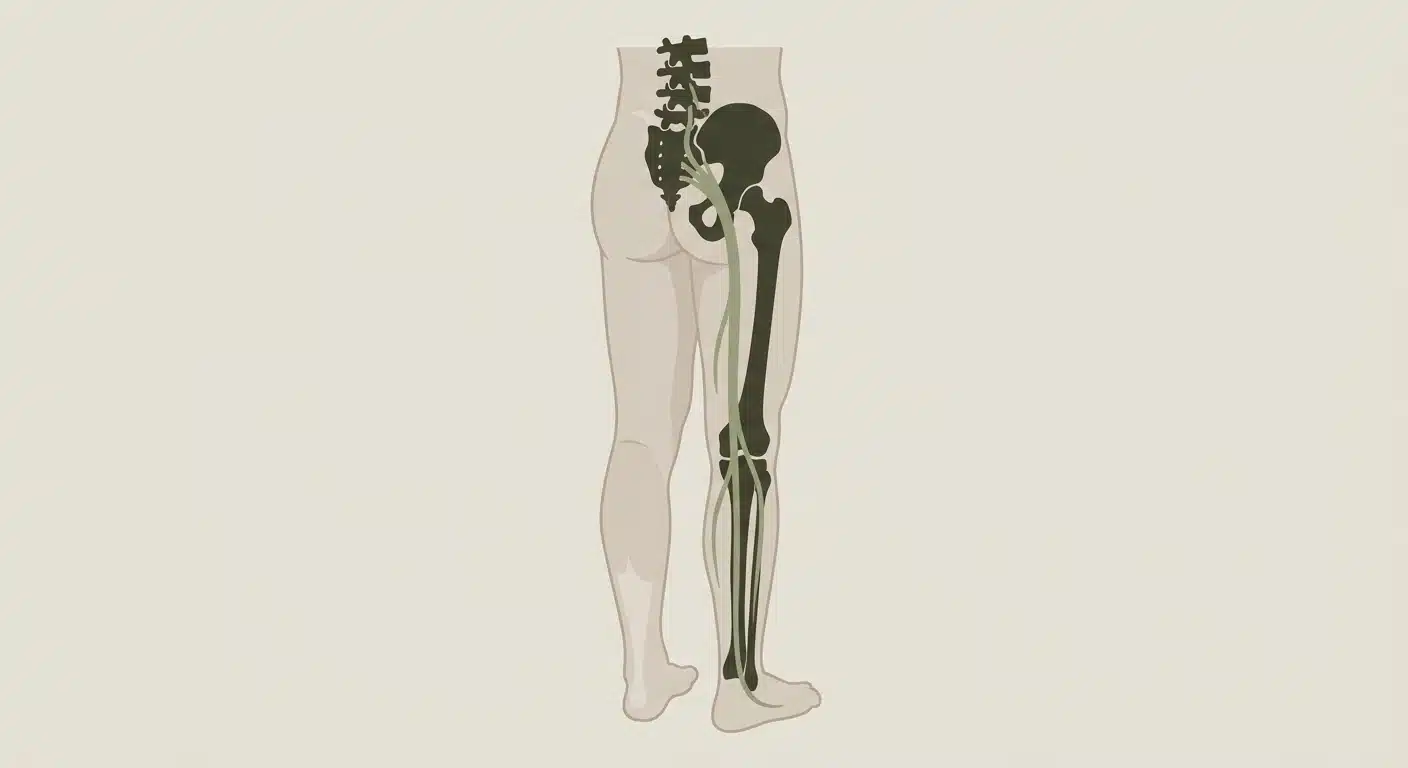
Relieve Sciatica Without Injections or Surgery.
What Is Sciatica?
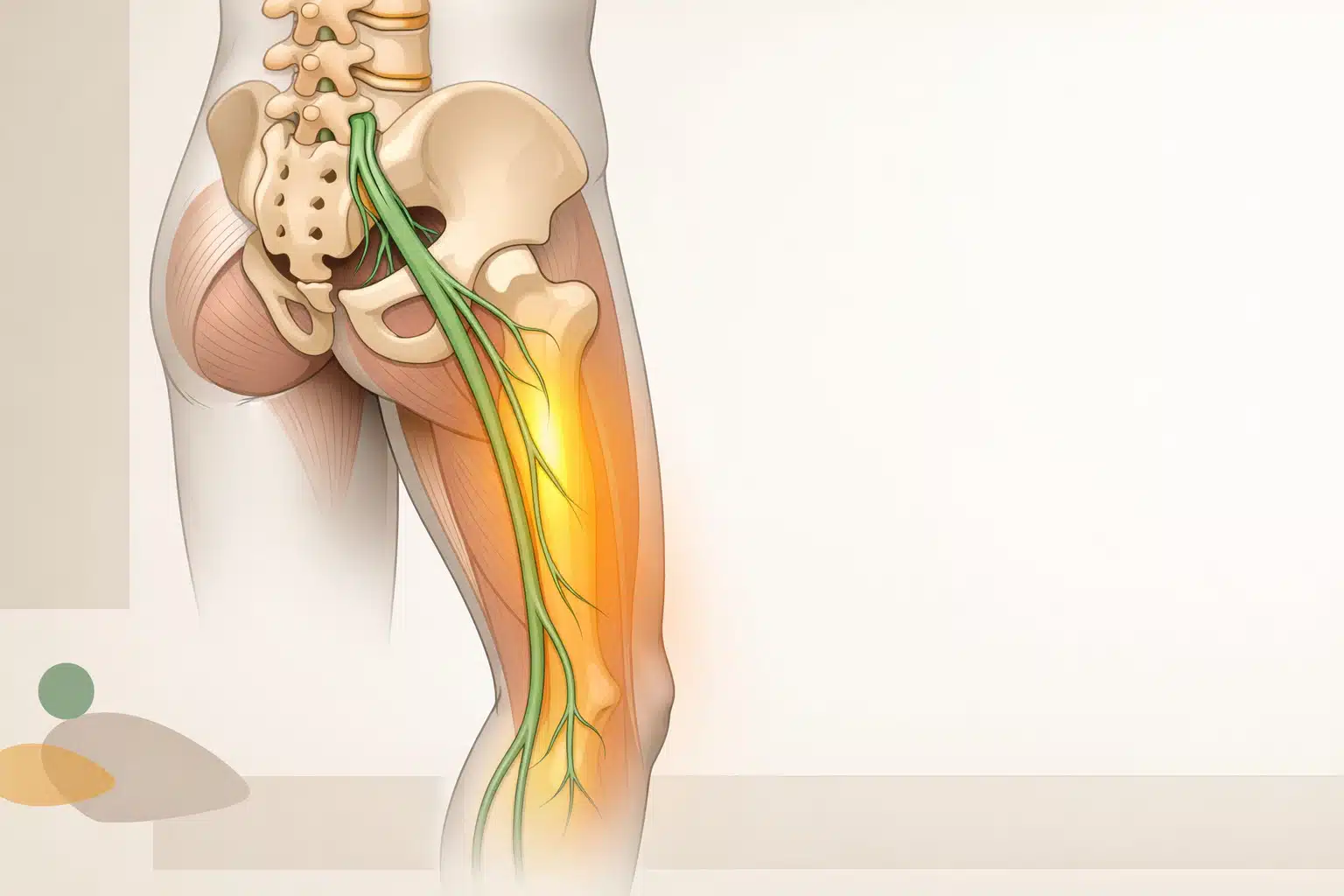
Sciatica refers to pain that radiates along the path of the sciatic nerve, which branches from your lower back through your hips and buttocks and down each leg. Typically, sciatica affects only one side of the body. It most commonly occurs when a herniated disc, bone spur, or spinal stenosis compresses part of the nerve, causing pain and numbness in the affected leg.
Radiating leg pain? Don’t wait for it to get worse. At Brooklyn Chiropractic Care, we specialize in non-surgical sciatica treatment in Brooklyn. Most patients feel significant improvement within 2-4 visits by addressing the root cause, not masking the symptoms.
Urgent: Red Flag Symptoms
Seek immediate medical attention if your leg pain is accompanied by loss of bladder or bowel control, sudden extreme weakness, or saddle anesthesia (numbness in the groin). For all other shooting pain, we offer same-day evaluations.
Common Causes of Sciatic Nerve Pain
Several conditions can lead to sciatica by putting pressure on the sciatic nerve or its roots in the lower spine:
Herniated or Bulging Discs
The most common cause of sciatica occurs when the soft inner material of a spinal disc pushes through its outer layer and presses against a nerve root. This creates inflammation and irritation that travels down the leg.
Spinal Stenosis
This narrowing of the spinal canal can compress the nerves as they exit the spine. It often develops gradually with age and affects people over 50 more frequently.
Piriformis Syndrome
The piriformis muscle in your buttock can tighten and irritate the sciatic nerve that runs beneath it. This is particularly common in runners and people who sit for extended periods.
Degenerative Disc Disease
As spinal discs lose hydration and height with age, they provide less cushioning between vertebrae. This can lead to bone spurs and other changes that compress nerve roots.
Spondylolisthesis
When one vertebra slips forward over the one below it, it can pinch the nerves exiting the spine at that level.
Risk Factors
Several factors increase your likelihood of developing sciatica:
- Age-related spinal changes: herniated discs and bone spurs are more common with age
- Excess weight, increases mechanical stress on the spine
- Prolonged sitting, especially with poor posture or in a car
- Occupational demands, jobs requiring heavy lifting, twisting, or long periods of driving
- Diabetes, increases risk of peripheral nerve damage
- Pregnancy, can put direct pressure on the sciatic nerve as the uterus expands
Sciatica Symptoms to Watch For
Sciatica often starts in the lower back or buttock and travels down the leg.
Common symptoms include
- Pain worse with sitting
- Tingling or burning in the leg or foot
- Numbness or weakness
- Sharp pain when standing or walking
- Pain triggered by coughing or sneezing
- Seek urgent care if pain appears with loss of bladder control or rapid leg weakness.
What the Research Says About Chiropractic Care for Sciatica
Scientific evidence strongly supports chiropractic treatment for sciatica. A landmark study published in the Journal of Manipulative and Physiological Therapeutics found that 60% of patients with sciatica who had failed other medical treatments achieved the same degree of benefit from spinal manipulation as those who underwent surgery [2]. This research suggests that chiropractic care should be considered before more invasive interventions.
Additional research has shown that chiropractic patients with sciatica experience reduced reliance on pain medications. A 2025 study in Health Science Reports found a significant association between spinal manipulative therapy and reduced risk of opioid use disorder in patients with low back pain and sciatica [3]. This finding is particularly important given the ongoing concerns about prescription pain medication dependency.
The non-invasive nature of chiropractic treatment offers a favorable safety profile. While any treatment carries some risk, serious adverse events from chiropractic care are extremely rare, making it an appropriate first-line approach for most sciatica patients.
Your First Visit for Sciatica Treatment
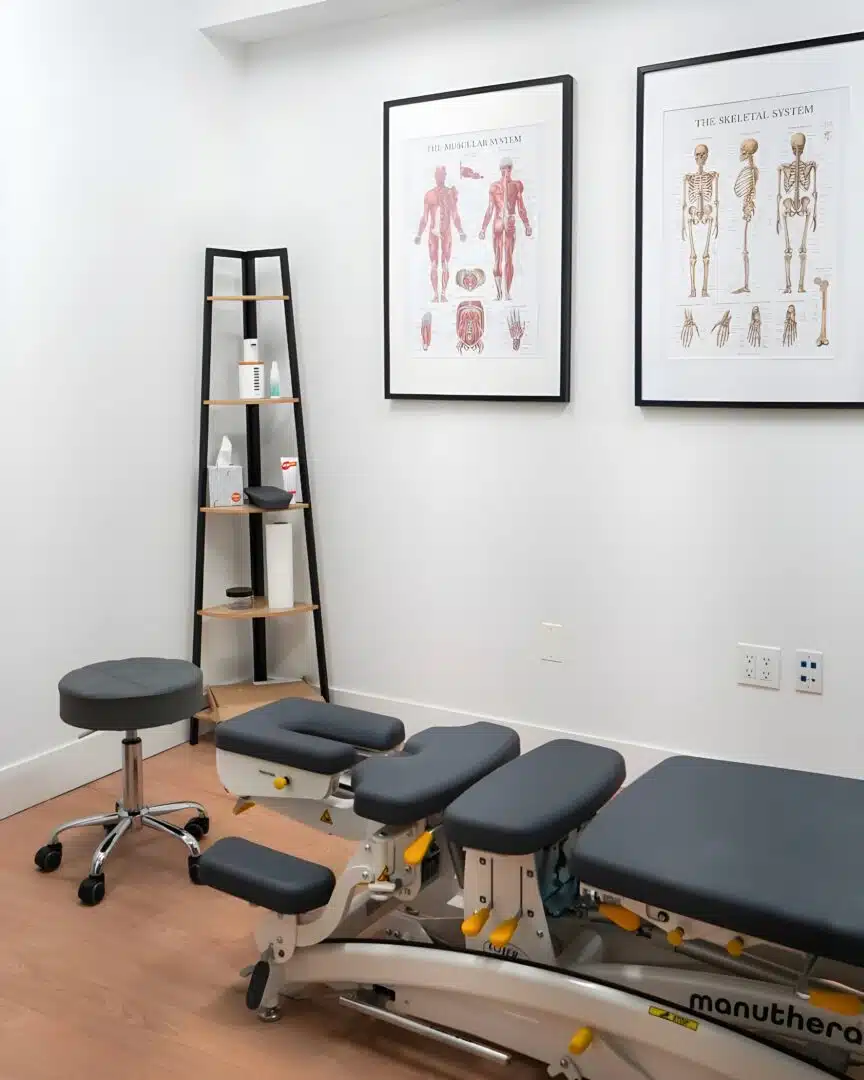
When you visit Brooklyn Chiropractic Care for sciatica, Dr. Patel begins with a thorough evaluation to understand your specific situation. This includes reviewing your health history, discussing your symptoms and how they affect your daily life, and performing physical and neurological examinations.
Orthopedic tests help determine which structures are involved in your sciatica. Dr. Patel may assess your reflexes, muscle strength, sensation, and range of motion. If needed, diagnostic imaging such as X-rays can provide additional information about your spinal structure.
Based on this evaluation, Dr. Patel develops a personalized treatment plan. Most patients begin feeling improvement within the first few visits, though the total number of treatments needed varies based on the severity and chronicity of your condition. Typical treatment plans involve visits two to three times per week initially, gradually decreasing as your condition improves.
Home Care Tips for Sciatica Relief
Between your chiropractic appointments, these strategies can help manage your symptoms and support your recovery:
- Apply ice packs for 15 to 20 minutes several times daily during acute flare-ups to reduce inflammation. After the first 48 to 72 hours, you may alternate with heat to relax tight muscles.
- Practice gentle nerve flossing exercises daily to improve sciatic nerve mobility. These movements help the nerve glide more freely through the surrounding tissues.
- Maintain proper posture when sitting, using lumbar support to preserve the natural curve of your lower back. Avoid sitting for extended periods. Set a reminder to stand and move every 30 to 45 minutes.
- When sleeping, try lying on your side with a pillow between your knees to keep your spine aligned. If you prefer sleeping on your back, place a pillow under your knees to reduce pressure on your lower spine.
- Stay active with low-impact movement like walking. While it may seem counterintuitive, gentle activity promotes circulation and helps prevent the stiffness that can worsen sciatica symptoms.
Detailed Clinical Evaluation
Treatment starts with a thorough neurological and physical examination. Dr. Patel assesses your reflexes, muscle strength, and range of motion to pinpoint the exact site of nerve compression in your lower spine.
Precision Spinal Adjustments
Using the foundation of chiropractic care, we apply targeted spinal manipulations to restore proper alignment. This reduces mechanical pressure on the sciatic nerve, facilitating immediate relief and improved joint mobility.
Flexion-Distraction Therapy
For patients with herniated or bulging discs, we use specialized tables for gentle decompression. This non-thrusting technique creates negative pressure within the disc, helping to retract material away from the nerve.
Soft Tissue & Rehab
We address secondary muscle tension in the piriformis and hamstrings through manual therapy. Finally, we provide customized core-stabilization exercises to strengthen your spine and prevent future sciatica flare-ups.

When to Seek Care for Sciatica
Many people try to wait out sciatica, hoping it will resolve on its own. While mild cases may improve with rest and home care, seeking professional evaluation is wise if your pain persists beyond a week or two, interferes with your daily activities, or keeps returning.
Early intervention often leads to faster recovery and helps prevent the condition from becoming chronic. Chronic back pain and sciatica can lead to compensatory movement patterns that create additional problems in your hips, knees, and other areas.
Chiropractic care is particularly valuable because it addresses the underlying structural issues causing your sciatica rather than simply treating symptoms. This approach provides lasting relief and reduces the likelihood of recurrence.
Preventing Sciatica Flare-Ups
Chiropractic care addresses the structural causes of sciatica, but what you do between visits matters too. These habits help prevent flare-ups and protect your recovery:
- Maintain good posture when sitting, standing, and lifting, use lumbar support and keep your screen at eye level
- Strengthen your core with low-impact exercises like planks and bird-dogs, a strong core takes load off the spine
- Take movement breaks every 30-45 minutes if you sit for work, prolonged sitting is one of the biggest drivers of flare-ups
- Stay active with walking and gentle stretching, rest helps acute flares, but inactivity slows recovery
- Try these home exercises for acute sciatica to manage symptoms between visits
Most patients experience significant improvement within 4-6 weeks of consistent treatment. However, the exact timeline depends on the severity of your condition and how long you've been experiencing symptoms. Dr. Patel will discuss your personalized treatment plan during your first visit.
Yes, chiropractic care is generally safe and effective for disc-related sciatica. Dr. Patel uses techniques like flexion-distraction that are specifically designed for patients with disc herniations. These gentle approaches avoid high-force adjustments that might aggravate the condition.
While chiropractic care addresses the underlying causes of sciatica, recurrence is possible without proper maintenance. Dr. Patel provides home exercises and lifestyle recommendations to help prevent future flare-ups. Periodic maintenance visits can also help keep your spine healthy.
Chiropractic care focuses on correcting the structural and biomechanical issues causing nerve compression rather than masking pain with medications. This drug-free approach addresses the root cause of sciatica and helps restore normal function. Research shows outcomes comparable to surgery for many patients, with significantly lower risks and costs.
While brief rest during acute flare-ups can be helpful, prolonged bed rest is not recommended. Gentle movement and activity help maintain flexibility, promote circulation, and prevent deconditioning. Low-impact activities like walking are typically encouraged, while high-impact activities should be avoided until symptoms improve.
Chiropractic adjustments are generally not painful. You may feel some pressure during the adjustment and mild soreness afterward, similar to what you might feel after exercise. Most patients find the treatments relieving rather than uncomfortable.
No referral is needed. You can schedule directly with Brooklyn Chiropractic Care. Call (347) 625-1246 or book online. We accept most major insurance plans and offer same-day evaluations.
Please bring any relevant medical records or imaging results (X-rays or MRIs) if available, a list of current medications, and your insurance card. Wear comfortable, loose-fitting clothing that allows for movement during the examination.
Take the Next Step Toward Sciatica Relief
You deserve to move without pain. Schedule your visit and start care focused on recovery.