(347) 625-1246
 hello@brooklynchirocare.com
 112 Greenpoint Ave #1B, Brooklyn, NY 11222
You stepped off the curb on Manhattan Ave, or you were riding the McGuinness Blvd bike lane, and a car clipped you. Now you’re sore, shaken, and wondering who pays for care. Here’s the part most people miss: if you were a pedestrian hit by a car, a chiropractor in Brooklyn can treat you under New York no-fault insurance, often at zero cost to you. The same is true if you were on a bike. You don’t need to own a car, and you don’t need to be the one who caused the crash.
Being struck by a vehicle on foot or on a bike is frightening. The aftermath shouldn’t add a money worry on top of the pain. Let’s walk through how the coverage works, why you should get checked even if you feel okay, and what the first week should look like.
Key Takeaways
- NY no-fault covers pedestrians and cyclists struck by a vehicle, usually through the at-fault driver’s auto policy, not your own pocket.
- Symptoms from a car strike often show up days later once the adrenaline fades. Get evaluated early.
- You generally have a tight window to start a no-fault claim, so act within the first days, not weeks.
- If the driver fled or had no insurance, a state fund may still cover your care.
- At our Greenpoint clinic, we examine you, document the injuries, and handle the no-fault billing for you.
Does No-Fault Cover You If You Were Hit by a Car as a Pedestrian or Cyclist?
Yes. In New York, if you’re a pedestrian hit by a car, no-fault chiropractor care in Brooklyn is typically covered by the insurance on the vehicle that struck you. New York is a no-fault state, which means medical benefits get paid regardless of who caused the crash. Cyclists hit by a car are covered the same way. The car has the coverage, and as the injured person on foot or on a bike, you tap into it.
What if you do own a car? Your own auto policy may step in first in some situations, even though you were walking at the time. And if the vehicle that hit you fled the scene or carried no insurance, a state program called MVAIC, the Motor Vehicle Accident Indemnification Corporation, can cover your injuries. Deadlines for that route are strict, so confirm them quickly.
The takeaway is simple. Most people who get hit assume they’re stuck with the bill or that they need to sue someone first. Neither is usually true. You can start treatment now and let the no-fault system pay for it.
Why You Should Get Checked Even If You Feel Fine
Adrenaline hides injuries. After a car strikes you, your body floods with stress hormones that mask pain for hours or even a day or two. You might walk away feeling rattled but “okay,” then wake up two mornings later with a stiff neck, a throbbing low back, or a headache that won’t quit. That delay is normal, and it’s exactly why an early exam matters.
Whiplash is the classic example. Your head snaps forward and back in a fraction of a second, straining the soft tissue in your neck. The same forces hit cyclists thrown from a bike. We cover the early window in detail in our guide to the first 48 hours after a crash, and the short version is this: the sooner you’re examined, the sooner real problems get caught.
There’s a paperwork reason too. A documented exam soon after the accident ties your injuries to the crash. Wait three weeks and an insurer may argue the pain came from somewhere else. Early care protects both your body and your claim.
Common Injuries After Being Hit by a Car in Brooklyn
A pedestrian hit by a car tends to suffer a specific set of injuries, even at low speeds, and the same is true for a cyclist. A two-ton vehicle against an unprotected body does damage that a sore muscle never explains. Here’s what we see most in patients who come to our Greenpoint office after a strike.
- Whiplash and neck strain. The rapid snap of the head injures the muscles, ligaments, and joints of the neck. Stiffness, headaches, and reduced range of motion follow.
- Low back and pelvic injury. The impact or the fall to the pavement jolts the spine and sacroiliac joints, leaving deep aching pain.
- Shoulder and wrist trauma. Cyclists especially brace with an arm or land on a shoulder, straining the joint and surrounding tissue.
- Knee and hip injury. A bumper strikes at leg height, and the knee takes the force directly.
- Soft-tissue and nerve irritation. Bruising, sprains, and pinched nerves that don’t show on a basic X-ray but cause real, lasting pain.
Notice a theme? Many of these don’t appear on the imaging an emergency room runs to rule out fractures. The ER’s job is to confirm nothing is broken or bleeding. Finding and treating the soft-tissue damage that lingers afterward is a different job, and it’s the one we do.
How Dr. Patel Treats Pedestrian and Cyclist Injuries
Treatment starts with a real exam, not a rushed glance. Dr. Patel checks your spine, joints, range of motion, and nerve function, and we take digital X-rays in-house when they’re warranted. From there you get a plan built for your specific injuries, not a one-size template.
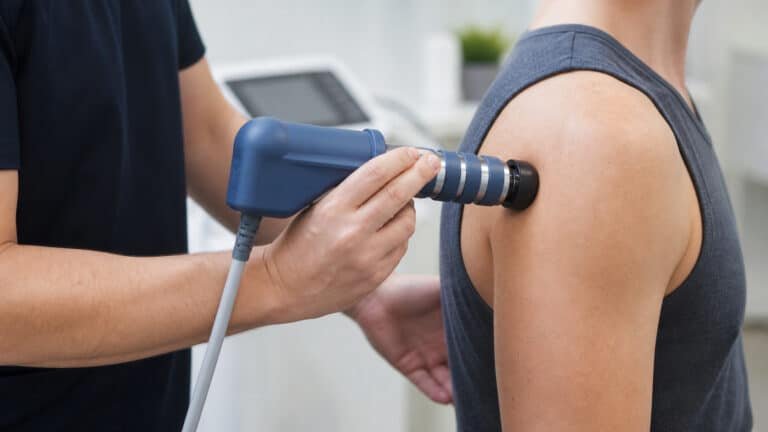
Care usually blends a few tools. Gentle chiropractic adjustments restore joint motion that the crash locked up. Soft-tissue work and assisted stretching calm the guarding muscles around the injury. For stubborn tendon and soft-tissue pain, shockwave therapy can speed healing. Most patients feel meaningful relief within the first few weeks, and we adjust the plan as you improve.
We also document everything. Clear records of your injuries, your visits, and your progress are what keep a no-fault claim moving. We file the billing directly, so you focus on healing instead of insurance forms. You can read more about how we handle accident cases on our no-fault auto injury care page.
What to Do If You’re a Pedestrian Hit by a Car in Brooklyn
The hours after a collision are a blur. A simple checklist keeps you from missing the steps that matter most for your health and your claim.
- Call the police and get a report. An official record of the crash anchors everything that follows. Get the report number.
- Collect the driver’s information. Name, plate, and insurance details if you can. If the car fled, note the time, location, and any witnesses.
- See a provider quickly. New York no-fault rules give you a short window to start a claim, often around 30 days. Don’t wait for pain to “settle.” Get examined.
- Keep every record. Save medical paperwork, photos of injuries, and any out-of-pocket receipts in one folder.
- Ask us to verify your coverage. Not sure whose insurance applies? Bring what you have and we’ll help sort out which policy covers your care.
Move sooner rather than later. The clock on a no-fault claim is shorter than most people expect, and a missed deadline can cost you the coverage you’re entitled to.
When to Go to the ER First
Chiropractic care is the right call for soft-tissue and joint injuries, but some situations need an emergency room before anything else. Go to the ER, or call 911, if you have any of these after being hit:
- Loss of consciousness, confusion, or a worsening headache, which can signal a head injury.
- Numbness, tingling, or weakness in an arm or leg.
- Severe or deformed limb pain, or you can’t bear weight, which suggests a fracture.
- Trouble breathing, chest pain, or abdominal pain.
- Heavy bleeding or a head wound.
Once the ER clears you of anything urgent, that’s often when chiropractic care begins. Plenty of patients arrive at our Brooklyn clinic days after an ER visit, still hurting, because the lingering soft-tissue injury was never the ER’s focus. If that’s you, you’re in the right place.
Does no-fault cover pedestrians and cyclists in New York?
Yes. If you’re a pedestrian hit by a car, no-fault chiropractor care in Brooklyn is generally covered through the striking vehicle’s insurance, no matter who was at fault. Cyclists struck by a vehicle are covered the same way.
What if the driver fled or had no insurance?
You may still be covered. A state fund called MVAIC steps in for hit-and-run and uninsured-vehicle cases. The filing deadlines are strict, so report the crash to police and start the process fast.
How long do I have to start treatment?
Act within days, not weeks. New York no-fault generally requires you to begin a claim within about 30 days of the accident. Early treatment also ties your injuries to the crash, which protects your claim.
Will I pay anything out of pocket?
In most approved no-fault cases, your covered chiropractic care costs you nothing. We bill the insurer directly and handle the paperwork so you can focus on recovery.
Do I need a lawyer to get chiropractic care?
No. You can start treatment right away without an attorney. Some people choose to consult a lawyer for larger injury claims, but that’s a separate decision from getting the care your body needs now.
Ready to find relief? Schedule an appointment online or visit us at Brooklyn Chiropractic Care, 112 Greenpoint Ave. STE 1B, Brooklyn, NY 11222.
References
- Spitzer WO, et al. Scientific monograph of the Quebec Task Force on Whiplash-Associated Disorders. Spine. 1995.
- Bussières AE, et al. The treatment of neck pain and associated disorders: clinical practice guideline. J Manipulative Physiol Ther. 2016.
- New York State Department of Financial Services. No-Fault Insurance overview and consumer guidance.
- New York Motor Vehicle Accident Indemnification Corporation (MVAIC). Eligibility and filing requirements.
Not Sure What's Causing Your Pain?
Take our 60-second pain assessment and get a personalized care recommendation from Dr. Patel.
Take the Assessment